Transform Your Area: An Skill of Selecting the Right Flooring Professional


Altering the environment represents more than choosing the suitable color palette and furnishings; it often begins at the base with the flooring. Whether you are remodeling your cozy home environment or overseeing a business interior design project, the flooring that you select holds a significant role for establishing the ambiance along with practicality for that environment. However, choosing the perfect contractor for flooring can be equally important to picking the right resources itself. The skilled contractor not only ensures that the installation meets aesthetic plus construction standards but also facilitates harmonious blend of style plus durability.
Before committing to a flooring contractor, it’s crucial to pose the right inquiries. Understanding the contractor's experience, specializations, along with approach may create a major difference in your final outcome. Ranging from addressing moisture issues to assessing their portfolio for both structural integrity and beauty, this selection process must be meticulous. Combining your vision along with their skills together, one can create an space that isn't only aesthetically pleasing and stands the test of time.
Key Questions to Ask Flooring Contractors
When considering a flooring contractor for your project, it is essential to ask the right questions to ensure they fulfill your needs. Start by inquiring about their experience in the specific type of flooring you require. Whether it’s wood, tile, or industrial flooring, knowing their track record will give you confidence in their ability to provide quality results. Request examples of previous projects similar to yours and verify if they have testimonials from satisfied clients to confirm their expertise.
After that, discuss their approach to preparation and installation. Ask about their process for subfloor preparation, moisture testing, and how they handle any potential leveling issues. Grasping their methods will help you assess their commitment to quality and longevity in their work. Additionally, inquire about their collaboration with other contractors and tradespeople. A flooring contractor that coordinates effectively with architects and additional subcontractors usually signals a smooth project flow.
Finally, it's important to go over logistics, including timelines, costs, and warranties. Ask how they manage project timelines and what steps they take to avoid common mistakes that can lead to costly delays. Inquire about their payment structure and if they provide a comprehensive scope of work in prior. Lastly, understanding their warranties and post-installation support will give you peace of mind that you are choosing a contractor who stands behind their work.
Essential Preparation for Installing Flooring
Ahead of the flooring installation starts, proper site preparation is important to ensure a positive outcome. This includes assessing the present subfloor, checking for moisture levels, and confirming that the floor is level. A flooring contractor should conduct a thorough evaluation of the subfloor conditions, as any latent issues can compromise the stability and longevity of the flooring. Tackling these elements upfront can stop costly mistakes down the line and provide an suitable foundation for your recent flooring system.
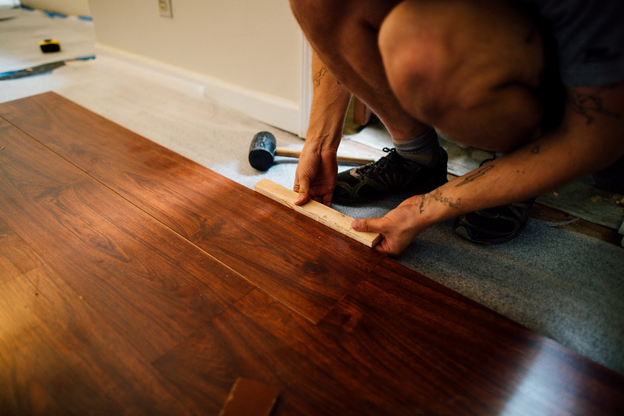
Moisture is one of the most important factors influencing flooring performance, particularly in business spaces. Before installation, contractors must perform moisture testing to evaluate if the subfloor environment is suitable for the selected flooring material. Using suitable solutions, such as using waterproof substrates or tailored sealants, can protect against water damage and ensure that the flooring keeps its design and operational properties over the long term. Proper humidity control and management play vital roles in extending the duration of your flooring.
In addition to moisture and level checks, collaboration with other contractors is essential for effective installation. Flooring contractors should team up with mechanical and electrical teams to coordinate installation schedules, stopping delays caused by conflicting tasks. Timely communication and planning can streamline the process, ultimately helping to a quicker installation timeline. By confirming that read this of site preparation are thoroughly, contractors can lay a firm foundation for a thriving flooring project.
Evaluating Aesthetic and Construction Material Choices
During selecting a flooring contractor, it is crucial to consider their design aesthetic preferences and material choices, as these will considerably affect both the aesthetic and functional qualities of your space. Topographic Surveys Coombe trusted contractor should be able to show a diverse portfolio that displays their ability to handle different styles, ranging from contemporary to classic. Look for indications of original design solutions, such as the incorporation of unique textures or colors that match existing design elements and furnishings. This preliminary evaluation can help you gauge whether the contractor's approach is in harmony with your project goals.
The choice of material plays a critical role in the effectiveness of any flooring project, particularly in retail environments where durability and upkeep are critical. Discuss with potential contractors the types of materials they recommend for your unique needs. A experienced contractor will find a balance between durability with aesthetics, guaranteeing that the chosen materials not only are visually appealing but also withstand heavy foot traffic and environmental conditions. Be sure to inquire about green options, which are increasingly relevant in the current construction landscape.
Furthermore, understanding how a flooring contractor approaches the combination of design and material can reveal their level of knowledge. Some contractors succeed in optimizing value engineering by choosing high-quality materials that fit within your budget and yet not compromising design intent. Delve into their process for reviewing performance characteristics like slip resistance, moisture resistance, and acoustic properties. This knowledge will not only help in arriving at informed conclusions but will also guarantee that you collaborate effectively all through the project, resulting in a positive and visually stunning outcome.