Exploring Shadows: A Detailed Guide to Natural Light Evaluation


In the realm of contemporary architecture, the interplay between daylight light and building design has never more vital. As sustainability becomes a primary priority, architects are increasingly adopting daylight analysis as a effective tool to enhance both the aesthetic and functional aspects of their creations. Grasping how to effectively capture daylight can lead to greater energy efficiency, boosted occupant well-being, and a more synergistic relationship between built environments and their outdoor surroundings.
Daylight analysis offers a comprehensive approach to analyzing how natural light enters and engages with spaces throughout the 24-hour period and seasons. By incorporating techniques such as daylight modeling and climate-based daylight assessment, architects can take informed decisions that not only meet building code standards but also elevate the design of living and working spaces. This guide will navigate the fundamental elements of daylight analysis, exploring its application in maximizing daylight influx while ensuring thermal comfort and minimizing light spill. Whether you are an emerging architect or a seasoned professional, this journey into daylight analysis will reveal best practices and creative strategies that shape the future of sustainable architecture.
Understanding Natural Light Analysis
Natural light evaluation is a critical aspect of architectural design that concentrates on the evaluation of natural light within a setting. It comprises numerous methodologies and tools to examine how sunlight affects buildings throughout the daily cycle and across various seasons. By understanding how daylight penetrates a structure, architects can design environments that maximize natural light, boost occupant comfort, and decrease reliance on man-made light. This evaluation does not only improve aesthetics but also significantly contributes to efficient energy use and overall sustainability in the built environment.
One of the primary components of natural light assessment involves assessing different parameters of natural light, like daylight factor, spatial daylight autonomy, and useful daylight illuminance. Each parameter helps architects and designers comprehend the light availability in a setting, facilitating informed decisions regarding window placements, sizing, and other design features that influence light quality and distribution. Embedding these measurements at early design stages leads to improved design outcomes and compliance with sustainability standards such as LEED and BREEAM.
Furthermore, daylight analysis plays a important role in ensuring occupant well-being and comfort. Studies has shown that natural light positively affects mood, productivity, and overall health. By applying daylight modeling techniques, architects can design spaces that improve these benefits, such as creating classrooms with optimal light exposure for students or developing healthcare facilities that facilitate healing through natural light. As architects more and more prioritize health and sustainability, the value of thorough daylight analysis becomes clearer in modern building design.
Important Resources and Approaches
Daylight analysis depends on multiple range of tools and techniques to evaluate daylight light in architectural design. Applications like the Radiance tool, ClimateStudio, and Insight offer advanced simulation functions, allowing architects to represent and study the influence of daylight on architectural interiors. Every software has unique features, causing it crucial to pick the one that most fits the project's specific needs. For Daylight Analysis Glastonbury Somerset , the Radiance tool is known for its exactness in simulating complex lighting situations, while ClimateStudio offers user-friendly user interfaces for combining daylight analysis with additional building performance criteria.
Techniques such as Climate Based Daylight Modeling (CBDM) are crucial in this field, permitting designers to develop environments that maximize visual comfort and reduce reliance on man-made lighting. CBDM evaluates sunlight availability throughout the year, enabling architects to predict how light levels may change with seasonal changes. By employing historical climate data, architects can adapt their plans to maximize natural light use while reducing glare and excessive heat problems.
In addition to software tools, mathematical calculations like the Daylight Factor and the Spatial Daylight Autonomy (sDA) serve as standards for assessing daylight in spaces. These standards help designers understand the efficacy of their daylighting approaches and their effects on energy efficiency and resident wellbeing. By integrating these instruments and methods early in the design workflow, architects can create areas that not only meet aesthetic goals but also promote sustainability and occupant health.
Application in Green Architecture
Natural Light analysis plays a key role in sustainable architecture by minimizing reliance on synthetic lighting and enhancing energy performance. By understanding how natural light relates with a building's architecture, designers can thoughtfully place fenestration and other apertures to enhance daylight penetration. This strategy not only reduces energy use but also contributes to a more comfortable indoor environment. find out this here of daylight helps create spaces that are visually appealing and enhance the comfort of occupants.
Incorporating daylight evaluation into the development process supports achieving green building certification standards such as Leadership in Energy and Environmental Design and BREEAM. These systems evaluate energy performance, occupant satisfaction, and resource management, where efficient daylighting strategies can directly influence outcomes. By evaluating factors like daylight factors and spatial daylight autonomy, architects can ensure that their projects meet or exceed the necessary standards for sustainable accreditations, ultimately reducing the building's carbon impact.
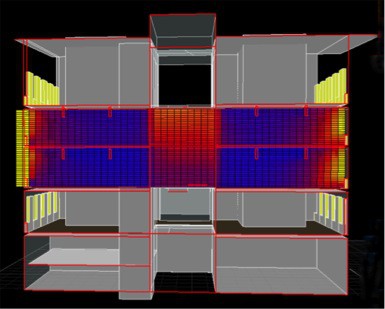
In addition, daylight assessment encourages creative design solutions that incorporate biophilic elements, enhancing users' bond to nature. By optimizing natural light and utilizing features like light shelves and dynamic shading systems, designers can create healthier indoor environments that support circadian rhythms and overall well-being. This focus on natural light not only improves user contentment but also aligns with broader aims of sustainability, making a compelling case for applying daylighting techniques in contemporary architectural practices.