Natural Light Behavior: Analyzing Light and Environment


Within today's architectural environment, the incorporation of natural light into building design is increasingly important than ever. Daylight analysis has emerged as a key process for architects aiming to create spaces that are not only aesthetically pleasing but also energy-efficient and healthy for occupants. By comprehending how daylight works with a building's environment, architects can make knowledgeable decisions that improve comfort, reduce reliance on artificial lighting, and encourage sustainability. This guide delves into the various facets of daylight analysis, offering a comprehensive overview that contemporary architects can leverage to optimize their designs.
As we explore the intricacies of daylight analysis, we will look into its effect on energy efficiency in commercial buildings, its role in achieving LEED accreditation, and the emerging technologies that simplify the analysis process. We will also define essential concepts such as daylight factor, spatial daylight autonomy, and annual sunlight exposure, providing architects with the information to navigate this vital aspect of building design. Whether your focus is on urban high-rises or cozy residential spaces, understanding daylight dynamics is fundamental to creating environments that flourish under natural light.
Ideas and Instruments of Natural Light Evaluation
Natural light analysis involves numerous key concepts that help architects and designers assess and enhance the natural lighting within their designs. Daylight Analysis Nailsea Somerset of the crucial principles is the light availability factor, which measures the quantity of sunlight illumination that hits a designated area inside relative to the outdoor light levels. Grasping this factor enables designers to make wise selections about window placement, dimensions, and the total configuration of environments, guaranteeing that inhabitants enjoy sufficient natural illumination throughout the day. Additionally, spatial daylight autonomy examines the extent to which a area obtains ample natural light for a particular proportion of the working hours, thus aiding in the analysis of indoor illumination quality over time.
To execute successful natural light evaluation, architects employ a range of tools that simulate and calculate daylight effectiveness. Prominent applications in the field include ClimateStudio, with each offering unique functions that cater to various analysis needs. Radiance provides accurate models of light performance, making it ideal for elaborate architectural shapes. ClimateStudio combines environmental data for more responsive representation, while Insight provides accessible features for preliminary design choices. Choosing Daylight Analysis Street Somerset enables designers to visualize illumination allocation and refine planning results effectively.
Including natural light evaluation at an early stage in the design workflow is vital for enhancing the advantages of ambient light. By analyzing natural light capabilities during the conceptual phase, architects can refine their designs to improve user well-being, lower power consumption, and achieve sustainability targets. Understanding the connection between daylight components, instrument functions, and the development process enables architects to design more sustainable , streamlined areas that maximize the gains of daylight illumination. ### Daylight Analysis for Architectural Architecture
Natural light analysis serves a crucial role in architectural design through providing understanding into how daylight interacts with built environments. Architects use natural light assessment to evaluate the availability and quality of daylight inside a setting, ensuring that the design meets the visual and practical needs of inhabitants. By modeling natural light scenarios during the design phase, architects can improve window placement, room orientation, and overall layout of the building to enhance natural light entry and reduce dependence on artificial lighting.
Integrating natural light analysis into the design workflow not only enhances visuals comfort but also adds to energy efficiency. By comprehending how daylight varies across the seasons and various moments of the day, designers can thoughtfully design areas that utilize natural light to reduce energy use. This emphasis on daylighting can lead to considerable reductions in lighting costs, benefiting both the green objectives of the project and its long-term operational efficiency.
Furthermore, daylight evaluation is crucial in meeting various green certifications, such as LEED and Building Research Establishment Environmental Assessment Method. These certification frameworks prioritize the inclusion of natural light into design as a means to support occupant wellbeing and environmental sustainability. By utilizing daylight evaluation tools, designers can demonstrate compliance with required standards while improving the overall quality of the residential and working environments they create, ultimately leading to healthier, higher productivity spaces. spintax ### Economic and Environmental Impact of Daylight Analysis
Analysis of daylight not just improves the visual value of a area but also considerably contributes to the economic feasibility of a building project. By optimizing natural light usage, architects can decrease the reliance on artificial lighting, leading to tangible energy savings. Daylight Analysis Glastonbury Somerset in energy consumption translates into lower utility bills, which can be particularly beneficial for big business facilities. In addition, buildings designed with efficient daylight strategies frequently have higher occupancy rates and increased property values, as tenants are increasingly drawn to spaces that prioritize natural light.
From an ecological perspective, daylight analysis is crucial in minimizing a building's carbon footprint. Through the promotion of the use of natural light, buildings can function more efficiently, thereby reducing greenhouse gas output linked to energy production. Additionally, efficient daylighting strategies assist in lowering heat gain, which can reduce the demand on HVAC systems, consequently lowering energy consumption related to heating and cooling. This creates a more sustainable building that aligns with contemporary environmental objectives.
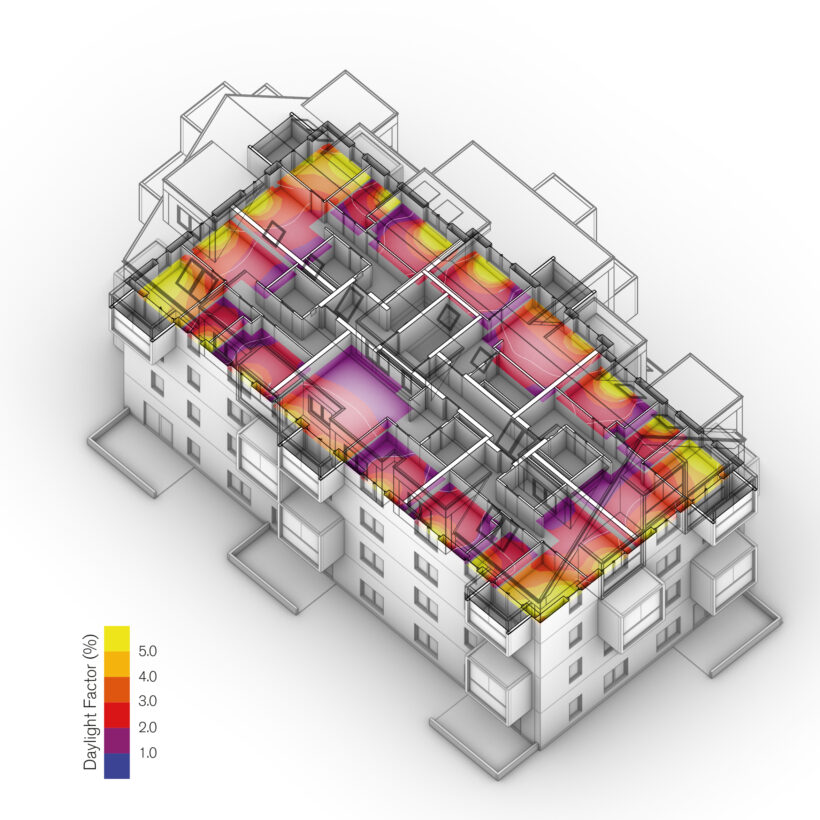
The investment in daylight analysis not just leads to immediate financial savings but also offers long-term ecological benefits. The incorporation of daylight analysis into architectural planning encourages the development of healthier living and working environments. Improved occupant well-being, together with reduced energy costs, presents a strong case for architects and developers to prioritize not only the aesthetic but also the economic and environmental impacts of their designs. This holistic approach eventually fosters a more sustainable future for both communities and the planet.