The Flooring Professional's Toolkit: Essential Recommendations for Home Buyers


In the realm of home renovations, one major the most impactful decisions homeowners face is choosing the right flooring contractor. The quality of flooring can significantly influence not only the aesthetic appeal of a location but also its functionality and durability. An experienced contractor can seamlessly execute your design while ensuring that all necessary prepping and installations are handled with care. However, navigating the world of flooring contractors can be daunting.
To assist homeowners in their decision-making process, we’ve put together essential tips and insights into the toolkit every homeowner should take into account. From important questions to ask before hiring a commercial flooring contractor to understanding the art of material selection, this guide aims to arm you with the knowledge to make informed choices. Whether you are starting a high-end hardwood project or considering a custom flooring installation, understanding what to look for and expect from your contractor can make all the difference in achieving the perfect finish for your home.
Essential Questions for Hiring Contractors
When assessing the appropriate flooring contractor for your task, it is crucial to ask the right questions to confirm you are making an informed decision. Start by querying about their certifications and expertise. Ask for licenses, coverage, and testimonials from previous clients. A trustworthy contractor should have a strong history of satisfactory projects and happy customers. This will give you insight into their reliability and competence.
Next, delve into the specifics of their specialization related to your flooring requirements. It is important to ask about their familiarity with the types of flooring materials you are evaluating, such as hardwood, tile, or rug. Discuss their method for subfloor preparation and how they tackle common issues like humidity or leveling. Understanding their approach to these core aspects will help you evaluate their competency in delivering a superior installation.
Finally, discuss the project's duration and cost estimate. Ask about the potential challenges they anticipate and how they plan to reduce setbacks or cost overruns. A transparent contractor will provide a detailed overview and have protocols in place to handle unexpected issues without diminishing quality. This conversation will establish understanding and promote a more efficient collaboration throughout the job.
Perfecting Subfloor Setup Methods
Successful subfloor setup is the cornerstone of a effective flooring project. It is vital for property owners to understand that humidity and leveling issues can drastically jeopardize the quality and longevity of the final floor. Before initiating any flooring endeavor, a comprehensive evaluation of the subfloor is critical. This entails testing for moisture presence, assessing structural strength, and ensuring that the surface is level and clear. Correct testing methods should be utilized to detect and address any moisture-related problems before setup begins.
Smoothing the subfloor is another important phase that installers must prioritize. Bumpy surfaces can lead to warping, fracturing in the finished flooring. Homeowners should seek for professionals who use innovative techniques such as self-leveling compounds or floor prep systems to achieve a flat, reliable base. Additionally, it's important that the chosen contractor clarifies the methods they will use to confirm that the substrate is properly ready to hold up the flooring material specified.
Finally, consideration to detail during the subfloor prep phase can spare homeowners from expensive repairs down the road. Grasping the specific requirements and standards related to different flooring materials is key. For case in point, certain woods may demand a more robust moisture barrier, while tile installations must comply to rigorous leveling requirements. Working in partnership with a experienced flooring contractor will assist guarantee that these crucial specifications are fulfilled and that the lifespan and soundness of the flooring are protected.
Assessing Flooring Contractor Portfolio and Design
When considering a floor, the portfolio acts as a vital measure of both their skill and design sensibilities. When you review completed projects, pay close attention to the variety of styles presented. A robust portfolio should display a range of flooring types and finishes, from wood to ceramic, reflecting an ability to modify designs to various architectural contexts. Find projects that align with your individual taste, which may indicate the contractor's ability to bring vision into existence.
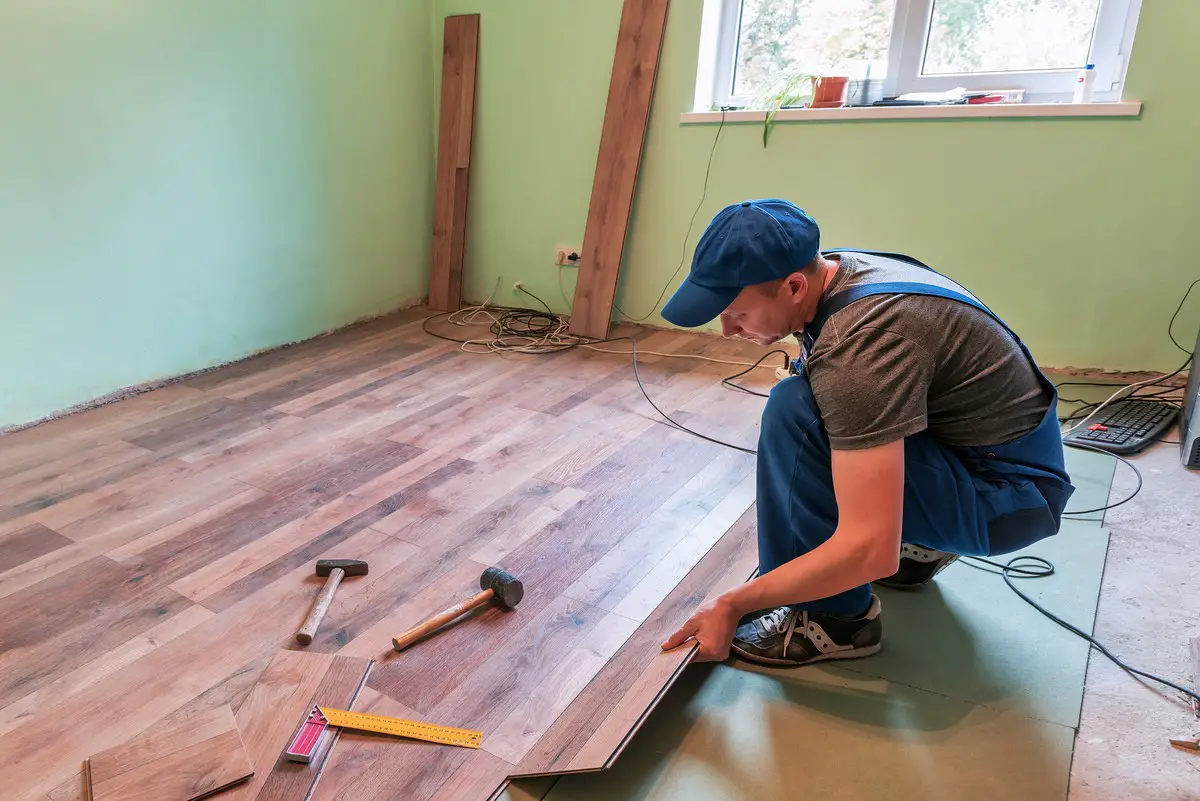
Along with style diversity, evaluate the quality of craftsmanship displayed in every project. Focus on details like grain matching, seamless transitions, and the overall consistency of finishes. Reviewing high-resolution images or site visits can assist you better understand the contractor’s skill level. Perfect installations not only enhance aesthetics but can also indicate the contractor's focus on details and commitment to quality control during the process.
Finally, consider how the contractor collaborates with designers and architects to maintain design cohesion. Effective projects generally involve clear communication and a shared comprehension of design intent. Inquire potential contractors about their collaborative process and how they incorporate feedback from fellow professionals in the field. Amtico Flooring Farndon who values this cooperation is more likely to deliver exceptional results that align with your vision, ensuring a unified look throughout your area.